


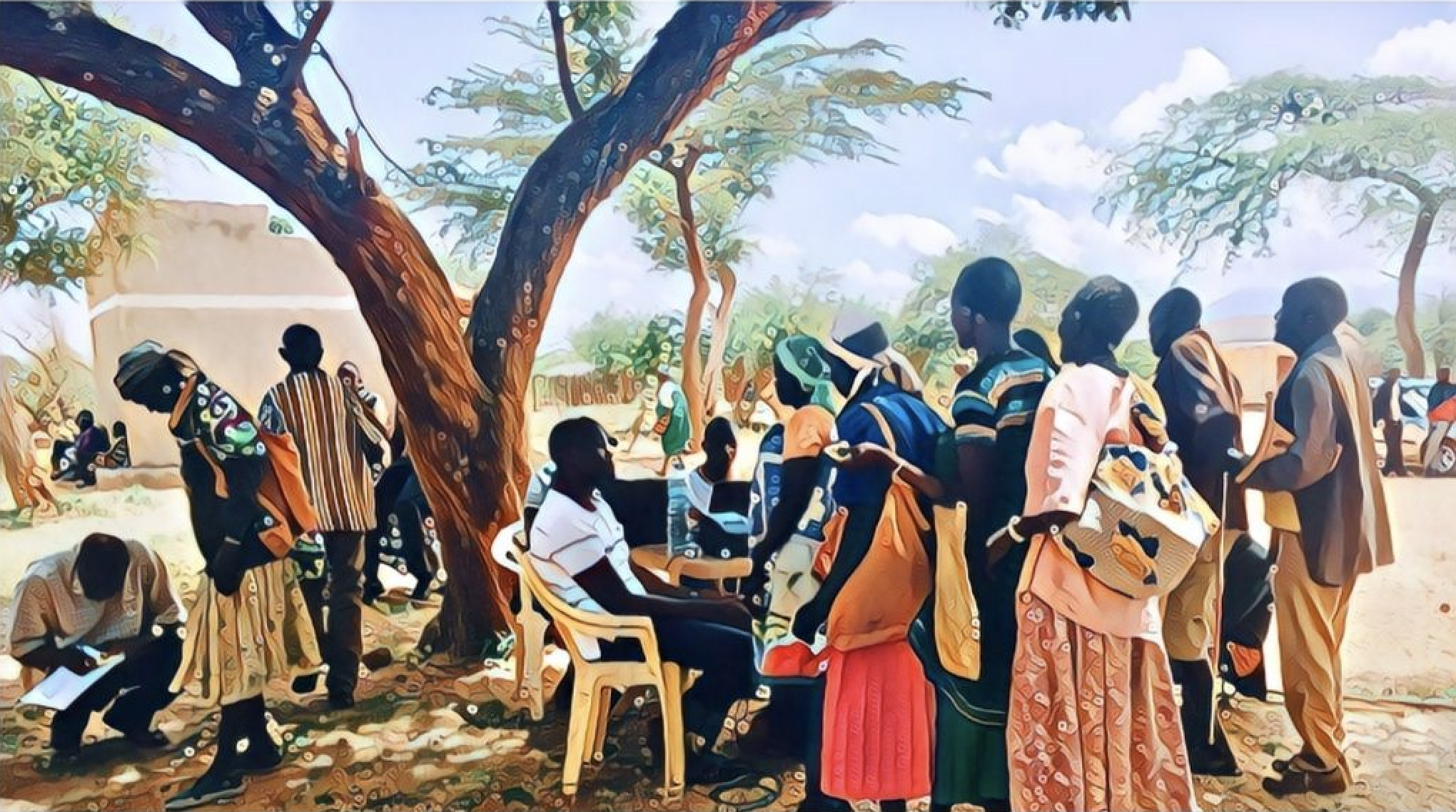
On October 1st, the world celebrates the International Day of Older Persons. In line with this year’s theme (the resilience and contributions of older women), Holly Seglah – our Social Policy Officer – sets out the important roles played by older women around the world and why a social pension is so critical to ensure all older women age with dignity.
We all hope to live long lives. However, for many, growing older brings uncertainty and insecurity. As we age, the likelihood of experiencing illness and disability increases and our ability to work and earn a living reduces, leaving many older people without an independent source of income and unable to support themselves.
Older women make indispensable contributions to their households, communities and societies. But without income security, their ability to age in comfort and with dignity is in question. In this blog, I highlight the essential need for social pensions to ensure all older women can continue to make their invaluable contributions to society and remain resilient in the face of shocks and adversity.
Pensions are great for the economy: they stimulate local and global markets
Old age is often associated with weakness, dependency and not contributing to the economy; but this is a myth.
This is clear when examining the experiences of countries around the world with successful pension schemes. New Zealand offers a generous universal pension of approximately 274 USD a week. While some older people decide to continue being economically active by staying in the workforce beyond retirement age, those who do retire continue to make vital contributions to the economy. In 2021, older New Zealanders were recognised as contributing billions of dollars to the economy every year as workers, taxpayers, volunteers and consumers.
Pensions are useful for older people: they reduce the additional costs you face as you age
Globally, women have a longer life expectancy, and are more likely to have some form of disability, in particular in old age. Disabilities lead to additional costs, for example, for assistive devices like crutches or hearing aids. In many countries, there are insufficient social protection measures for people with disabilities in place. Social pensions can help meet these costs and reduce the likelihood of older people being isolated or neglected within their household and community.
Pensions fulfil older people’s right to social security and to active ageing: all should age with dignity, autonomy and security
Over 20 per cent of older women rely on remittances compared to 5 per cent of older men, resulting in many older women being dependent on others for sources of income. Women are also more likely to live longer than men and are much more likely to be single. For example, in Viet Nam in 2019, 57.3 per cent of women aged 65 and over are widowed compared to 17.4 per cent of men. This often means that older women are left in increasingly vulnerable and dependent positions for longer. For example, in some parts of East Africa, land grabbing is a serious issue faced by older people – which in many instances significantly affects widowed women who are especially at risk because they do not own the land they live on.
A universal pension means that all older people can access a personal income that they can control. This can help older women regain their autonomy and reduce their dependency on others, which can otherwise heighten their vulnerabilities and put them at risk of exclusion, discrimination and abuse.
Pensions help to reduce child poverty
In the absence of pensions, households including both older people and children are far less able to invest in their children, which is likely to hinder their developmental progress. A social pension can allow for a greater investment in children within the household and can be critical in addressing intergenerational poverty. Research undertaken by Development Pathways in Kenya found that as a result of a pension, grandchildren of recipients were able to eat nutritious foods, receive clothes, soap and have their school costs paid for.
When pensions are not universal, access to pensions is unequal between men and women
Contributory pension systems, which rely on an individual’s contributions over time, replicate gender inequalities within the working population. Such inequalities include women having less access to the formal labour market than men, fewer years of work within the formal sector (due to their greater care-giving responsibilities) and while working, women earn less. Resultingly, fewer women can access a contributory pension, and those who do have fewer contributions than men and so receive lower pension transfers in old age.
In Cambodia, women who remain in the labour force in their old age on average earn much less than older men. Low wages reflect the precarious employment and lack of job security faced over their lifetime, meaning they are unlikely to have any savings or any access to pensions in their old age.
Older women take a lead role in care responsibilities and household tasks
Older women, especially those with a disability, are more at risk if they do not have an independent income. In part, this lack of independent income is due to having greater involvement than men in unpaid work over their lifetime, such as undertaking domestic chores, and caring for children, their older spouses, and household members with disabilities. Meanwhile, older women are also key caregivers to grandchildren while their adult children migrate for work elsewhere. Caring for grandchildren takes a physical and mental toll on older people, especially older women who are often at the forefront of caregiving. Older women thus continue to make critical contributions to their households without any remuneration.
Older women are more likely to be in poverty
Older women are at greater risk of living in poverty than men. They are at an economic disadvantage due to a lifetime of care responsibilities, discrimination in education, lower levels of labour force participation and limited access to assets. This is demonstrated in research from around the world: in 2007, rates of poverty in older women in China were four times higher than among older men. And in 2008, it was found that 30 per cent of older men in India had no valuable assets, whereas for women, this figure was 60 per cent.
Older women can also face additional costs through their care responsibilities of children and other household members in need of care. For example, in 2018, older people living in Uganda with children had a poverty rate of nearly 25 per cent.
Let’s make a commitment: introduce universal social pensions to empower older women
Pensions are increasingly becoming a necessity, particularly in developing countries, owing to the breakdown of traditional informal support systems. These breakdowns may be a result of an older person’s child migrating for work and pressures of increasing poverty. Such pressures can force families to make difficult choices to provide support only to certain family members, with older people often being deprioritised.
Universal social pensions recognise the contributions women make to society throughout their lifetimes, these often being contributions made through both paid and unpaid work. They provide older women with a guaranteed income and greater security, thereby ensuring their right to social security is upheld, and also reducing their vulnerabilities in old age including dependency, discrimination, and social exclusion. Pensions can further ensure older women age with dignity, continue to be valued and are able to invest into their families and communities, benefitting wider society.